What Sets Protocol-Based Post-Surgical Rehabilitation Apart in Canajoharie
Why Cookie-Cutter Recovery Programs Miss Critical Healing Phases
Many post-surgical recovery programs rush patients through generic exercises without respecting the biological timeline of tissue healing. Ligament repairs, joint replacements, ACL reconstructions, and spinal surgeries all follow distinct healing phases—inflammation control, protected movement, progressive loading, and functional restoration. Advancing too quickly stresses healing tissue and risks re-injury. Moving too slowly allows scar tissue to form inappropriately and muscles to atrophy beyond what surgery necessitates. Protocol-based care coordinates each phase with what your surgeon knows about tissue integrity at specific post-operative weeks.
A total knee replacement follows a different timeline than an ACL reconstruction. Joint replacement protocols focus early on regaining range of motion before scar tissue limits flexion, then build strength once the prosthetic has integrated. ACL reconstruction protects the graft during the first months when it's most vulnerable, introduces controlled pivoting movements only after collagen remodeling strengthens the repair, and returns to sport-specific loading last. Structured recovery programs for these surgeries don't look the same because the tissue healing processes aren't the same. Generic routines miss those distinctions and either under-challenge or over-stress recovering structures.
Coordinated Care Between Your Therapy Team and Surgeon
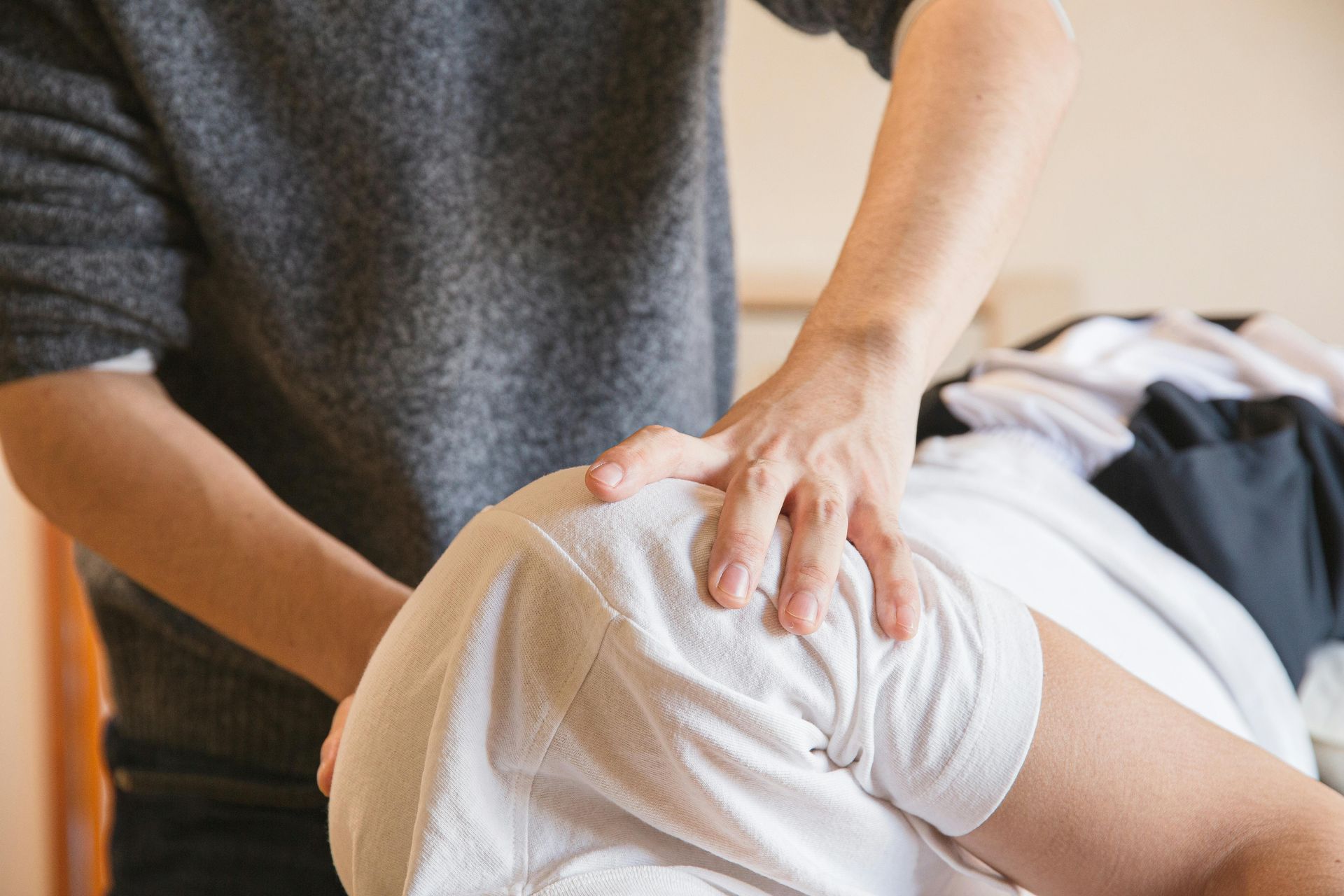
Your surgeon establishes the protocol—when you can bear full weight, which movements to avoid, when resistance training becomes safe. Performance Therapy & Fitness implements that protocol through hands-on treatment and exercise progression matched to your healing timeline. If range of motion lags behind where the protocol expects it, manual therapy addresses joint restrictions or soft tissue tightness limiting movement. If strength progresses faster than typical, the program advances within protocol boundaries while maintaining tissue protection.
Coordination means your therapist communicates with your surgical team when progress deviates from expected timelines or when complications like excessive swelling or unexpected pain appear. It means exercises prescribed at week four post-op differ from week ten because your tissues have different capabilities and vulnerabilities at those stages. You see measurable improvement when you can walk without a limp, climb stairs using a reciprocal pattern instead of step-to gait, or return to work tasks your surgeon has cleared without compensatory movement that strains other joints. If you're preparing for or recovering from joint replacement, ligament repair, ACL reconstruction, or spinal surgery in Canajoharie, contact us to discuss how protocol-based rehabilitation ensures each recovery phase builds appropriately on the last.
Key Elements of Structured Surgical Recovery
Post-surgical rehabilitation follows a structured sequence, but individualizes within that structure based on how your tissue responds. Early phases control pain and swelling while protecting healing structures. Middle phases restore lost range of motion and rebuild baseline strength. Late phases focus on functional movements, balance, and activity-specific demands. Each phase gates the next—you don't progress until objective measures confirm readiness.
- Joint replacements requiring early mobilization to prevent stiffness but limited loading until bone integration occurs
- Ligament repairs and ACL reconstructions where graft protection dictates movement restrictions for months
- Spinal surgeries with strict lifting and bending limits during fusion healing or disc repair stabilization
- Arthroscopic repairs where internal sutures need time to secure before resisted movement loads the repair site
- Functional milestones relevant to Canajoharie residents—returning to physical work, navigating uneven terrain, or resuming recreational activities
Recovery doesn't follow a rigid calendar—it follows tissue readiness. Some people progress faster due to age, health status, or pre-surgery conditioning. Others need more time at certain phases due to complications or slower-than-typical healing. Protocol-based care adjusts for those individual differences while keeping you within the safety boundaries your surgeon established. Get in touch to start a structured recovery program coordinated with your surgical team's expectations and timeline.